Best play to earn games: checklist for new players
Every week, a new player clicks a Discord link for a "limited mint" Web3 game, signs a transaction to claim a starter character, and approves an unlimited token allowance on the same screen without reading the contract permissions.
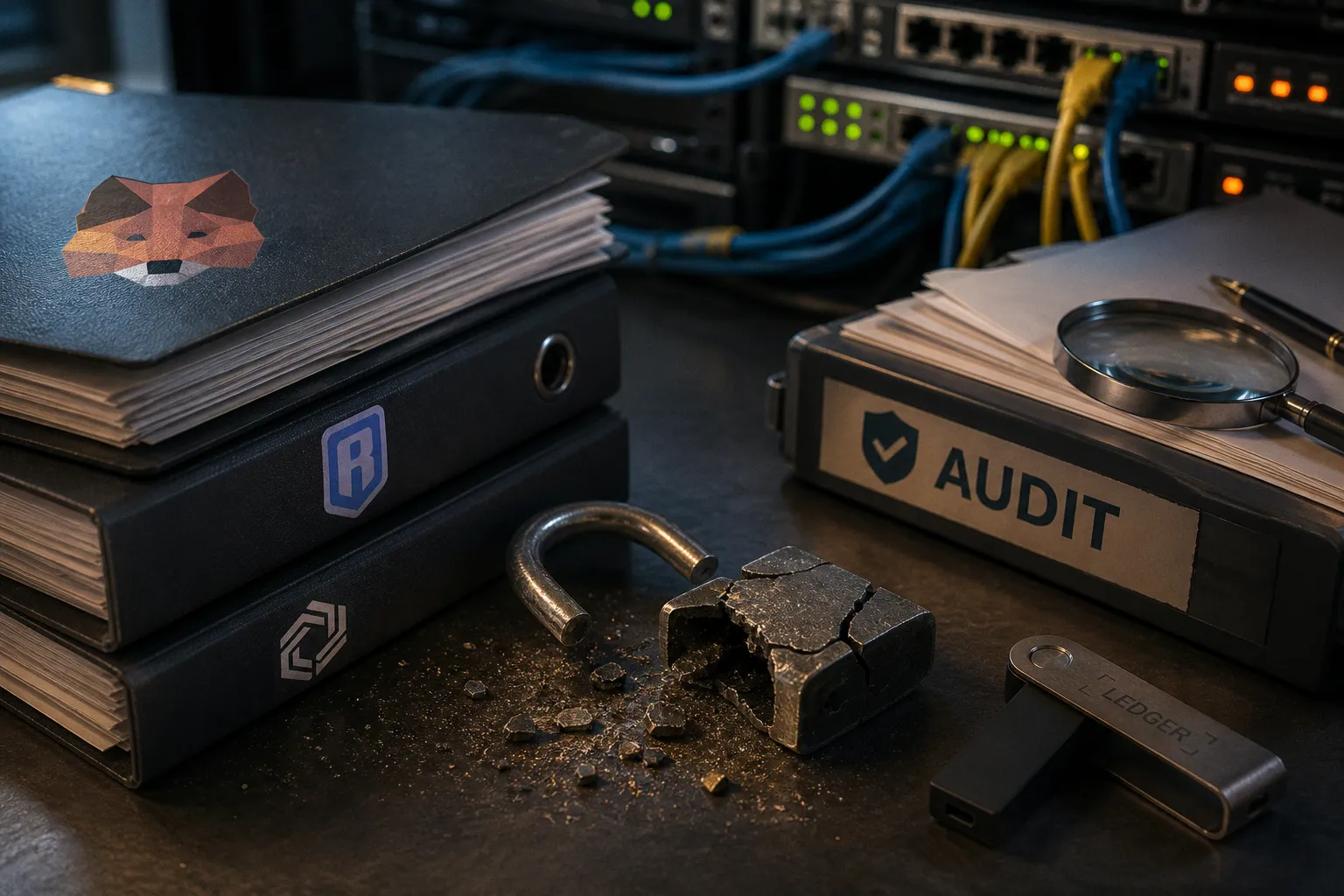
Best Play to Earn Games: A New Player's Evaluation Checklist
They walk away thinking they've joined a free-to-play economy. They haven't. The next time they open their wallet, the stablecoins are gone — drained by a malicious contract that activated the moment the approval was signed. This is the single most expensive mistake you can make before earning your first in-game token, and it is the reason this evaluation starts with security, not gameplay.
The play-to-earn (P2E) category has changed radically since 2021. The headline-grabbing scholarships of that era, where some Axie Infinity managers reported monthly returns above $10,000, no longer reflect a realistic baseline. Today's market operates under what builders call "GameFi 2.0" or "play-and-earn": titles that prioritize actual gameplay, sustainable token emissions, and zero-gas Layer 2 infrastructure. If you're evaluating the best play to earn games in 2026, you need to evaluate three layers simultaneously — tokenomics, infrastructure, and personal wallet security — because a beautifully designed game on a hostile network will still cost you money.
A game is only as safe as the contract you sign when you first connect your wallet.
The Shift to GameFi 2.0: From Speculation to Sustainability
The first generation of P2E games ran on a Ponzi-shaped curve: early players earned because later players bought in. When recruitment slowed, token prices collapsed, and the in-game economy died. This happened to nearly every 2021-era title, regardless of how polished the artwork looked. By late 2023, the category had lost the majority of its speculative capital, and the survivors were forced to redesign their economies around real gameplay value rather than pure yield.
GameFi 2.0 is the result. The defining features are straightforward and you should verify each one before committing time to a new title:
- Gameplay comes first. Titles now ship with a complete single-player or PvP loop that functions without blockchain interaction. The token rewards are a layer on top of an otherwise playable product.
- Token emissions are capped or deflationary. New tokens enter the economy at a predictable rate, and in-game sinks remove tokens at a rate that roughly matches emissions.
- Entry is free or near-free. The leading titles in 2026 — Gods Unchained, Pixels, Alien Worlds, and Splinterlands — require zero or under $20 in initial capital.
- Network fees do not eat small earnings. Many of these titles deploy on Layer 2 networks or sidechains designed to keep gas costs at or near zero.
When you evaluate any new P2E game, your first question should not be "how much can I earn?" It should be "does this game work without earning anything at all?" If the answer is no, you're looking at a yield product wearing a game skin, and yield products fail.
Analyzing Tokenomics: Red Flags and In-Game Sinks
A sustainable token economy requires two things in balance: a controlled emission schedule (how many new tokens enter circulation) and a working sink (a mechanism that removes tokens permanently from circulation). When emissions outpace sinks, the token price collapses under sell pressure from players cashing out. When sinks outpace emissions, the token becomes artificially scarce and new players can't afford entry. Either imbalance kills the economy within months.
Red Flags That Should Make You Walk Away
Treat any of the following as an automatic disqualifier. Real games do not need these mechanics:
| Red Flag | Why It Fails |
|---|---|
| "Guaranteed daily return" promises on the website | No legitimate game can guarantee returns; this is a yield product, not a game. |
| Withdrawal minimums above $50 or multi-day withdrawal queues | Designed to trap capital and delay rug-pull exits. |
| Token value relies entirely on new player recruitment | Classic Ponzi structure; collapses the moment growth slows. |
| Insider token allocations above 30% with short or no vesting | Founders can dump on retail immediately after launch. |
| No published smart contract audit from a reputable firm (Certik, Hacken, OpenZeppelin, Trail of Bits) | Unaudited contracts in P2E have a measurable track record of draining user wallets. |
| "Burner" liquidity pools where LP tokens can be pulled by admins | Lets developers remove all trading liquidity in a single transaction. |
In-Game Sinks That Indicate a Real Economy
Sustainable games build sinks into player progression, not just speculation. Look for these:
- Crafting and upgrade fees that consume tokens when you improve gear or characters.
- Marketplace commissions taken in the native token, paid by both buyer and seller.
- Land or housing upgrades that require ongoing token staking or burn mechanics.
- Cosmetic forging where vanity items are minted at a token cost.
- Reputation or guild systems that require token deposits that can be partially slashed for misconduct.
A single sink is not enough. Healthy P2E economies typically combine three or four. If you cannot identify at least two working sinks after an hour of research, the token is likely to dilute toward zero within six months.
Entry Strategies: Free-to-Play Versus Initial Investment
Your entry cost determines both your risk exposure and your realistic earning timeline. The spread between free-to-play and paid-entry titles is wider in 2026 than it was at any point in the category's history, and that is intentional — the market learned that gatekeeping entry behind expensive NFTs excluded the players who actually generate ecosystem activity.
Free-to-Play Options (Zero Upfront Capital)
These titles let you start without purchasing any NFT and earn through gameplay time:
- Gods Unchained — a digital card game on Immutable X. Starter decks are free; cards you earn or purchase become tradeable NFTs.
- Pixels — a farming and exploration MMO on the Ronin network. Free entry, with cosmetic and land NFTs as optional purchases.
- Alien Worlds — a planetary resource game where mining earns the in-game Trilium token. Free to participate; planet ownership is optional.
- Splinterlands — a battle card game with a free starter deck. Entry cost for a competitive deck is under $20.
Paid-Entry Options
Some titles still require an initial NFT purchase to compete at a meaningful level. Axie Infinity is the canonical example: a viable team typically requires three Axies, with prices ranging from $30 to $150 depending on the meta. Renting teams through scholarship managers remains an option but adds a counterparty risk layer — if the manager disappears, you lose access.
Realistic Earnings
Set your expectations against the current market, not the 2021 peak:
| Player Profile | Daily Time | Realistic Daily Earnings | Realistic Monthly Earnings |
|---|---|---|---|
| Casual player | 1–2 hours | $1 to $10 | $100 to $500 |
| Skilled competitive player | 4+ hours | $10 to $50 | $500 to $2,000 |
| 2021 Axie peak (historical, not current) | 4+ hours | N/A | $10,000+ |
Anyone promising you 2021-era returns in 2026 is either lying or selling a token that will collapse. The category now averages roughly 4.66 million daily active wallets across all titles, and the broader GameFi market is valued between $5 billion and $31 billion. That is a healthy industry, but it is not a salary replacement for the median player.
Technical Infrastructure: Why Layer 2 Networks Matter for Your Earnings
Gas fees are the silent killer of small-player earnings. If you earn $3 in tokens per day and pay $0.85 per transaction to claim or trade, your effective income collapses. This is why many leading P2E titles in 2026 deploy on Layer 2 networks or sidechains — networks designed to keep transaction fees at or near zero rather than routing every action through Ethereum mainnet.
You should verify three things about any game's infrastructure before connecting a wallet:
1. Which network does it operate on? Immutable X and Ronin are the two most common. Polygon zkEVM, opBNB, and Base are emerging alternatives.
2. Are transactions actually zero-gas? Some chains advertise zero gas but require a wrapped token bridge, which costs gas on the source chain.
3. Is the bridge audited? Bridges are the highest-value attack surface in Web3. If you must bridge funds to enter the game, confirm the bridge contract has a current audit and that the audit report matches the deployed contract address.
The networking layer also affects which wallet you should use. A single wallet across multiple chains increases your exposure — if one game's contract is compromised, every chain connected to that wallet is at risk. Use network-specific wallets where practical: MetaMask for Ethereum Virtual Machine-compatible chains, Ronin Wallet for Ronin-based games like Axie Infinity and Pixels. This is not a stylistic preference. It is operational hygiene.
One compromised game contract should never put your entire portfolio at risk. Segregate your wallets.
Security Protocols: Wallet Setup and Contract Verification
This is where the audit-and-protect mindset matters most. A P2E player who skips wallet security is one phishing link away from losing everything they have earned and everything they own across every wallet connected to the same seed phrase. Follow this protocol before you touch any new game.
Step 1: Isolate Your Gaming Wallet
Create a dedicated wallet for P2E activity. Do not reuse the wallet that holds your long-term holdings, your cold storage, or your primary identity (ENS, primary name, etc.). If the gaming wallet is drained, your core assets remain untouched. Most modern players use two or three wallets in parallel: a cold-storage wallet that rarely connects, a primary wallet for established platforms, and a burner wallet for unverified games.
Step 2: Verify the Contract Address
Before approving any transaction, confirm the contract address matches the one published on the game's official documentation — not the one in a Discord message, not the one in a Twitter bio, not the one a support agent DMs you. Type the URL manually. Bookmark it. Cross-reference the contract on the project's official block explorer listing. Address poisoning — where attackers create contracts with nearly identical addresses — is a routine attack vector in 2026.
Step 3: Revoke Unlimited Allowances After Each Session
When a game asks you to approve tokens for marketplace trading, set a custom allowance limit rather than the default unlimited approval. If the game does not support custom limits, revoke the approval immediately after each session using a tool such as Etherscan's Token Approvals, Revoke.cash, or the equivalent block explorer for the relevant network. Unlimited approvals are how drainer contracts operate: they wait for you to approve once, then sweep every token your wallet holds of that type.
Step 4: Store Seed Phrases Offline
Your seed phrase — the 12 or 24 words that restore your wallet — should never exist as a screenshot, a cloud note, an email draft, or a browser-stored password. Write it on paper or engrave it on metal, and store it in a location physically separate from any device that connects to the internet. Anyone who obtains your seed phrase owns your wallet. There is no recovery, no customer support, no appeal.
Step 5: Audit the Game's Own Security Posture
Before depositing significant time into a P2E title, confirm:
- The project has a public audit from a recognized firm, and the audit report is less than 12 months old.
- The audit report addresses the contracts actually deployed at the addresses you will interact with, not generic marketing collateral.
- The team has a public incident-response history. Even legitimate projects get hacked; what matters is how they respond.
- The token contract is verified on the relevant block explorer, with source code published and matching the audited code.
If any of these checks fail, treat the game as unverified and use only your burner wallet with minimal funds.
The Non-Negotiable Pre-Play Checklist
Run through this list every time you evaluate a new P2E title. If you cannot answer "yes" to each item, do not connect a wallet with meaningful funds.
1. Have you created a dedicated burner wallet for this specific game, separate from your primary holdings?
2. Have you manually verified the official contract address against the project's published documentation?
3. Have you confirmed the game operates on a Layer 2 network where gas fees do not consume your small earnings?
4. Have you read the tokenomics documentation and identified at least two working in-game sinks?
5. Have you checked the contract on a block explorer and confirmed it is verified and audited by a reputable firm?
6. Have you set custom allowance limits (or planned to revoke unlimited approvals after each session)?
7. Is your seed phrase stored offline, with no digital copies anywhere?
8. Does the game function as a playable product without earning anything, or does it depend entirely on yield mechanics?
9. Are your earnings expectations aligned with current market realities ($1–$50 daily depending on skill and time), not 2021 peak figures?
10. Have you tested deposits and withdrawals with small amounts before committing serious time?
The best play to earn games in 2026 are real games with sustainable economies, operating on efficient networks, with audited contracts. They exist, and they reward players who treat the category with the seriousness it demands. But the barrier to entry is not financial capital. It is operational discipline. Set up your wallets correctly, verify every contract, revoke every unnecessary approval, and do not chase titles that promise returns no legitimate game can guarantee. The players who survive in this market are the ones who audit their own setup as carefully as they audit the games they play.