Government could overhaul ownership of crypto assets in SA
South Africa’s crypto-asset ownership framework could be overhauled, according to a report flagged by htxt.co.za. The available source extract contains no draft text, agency statement, implementation timetable, or asset-level scope.
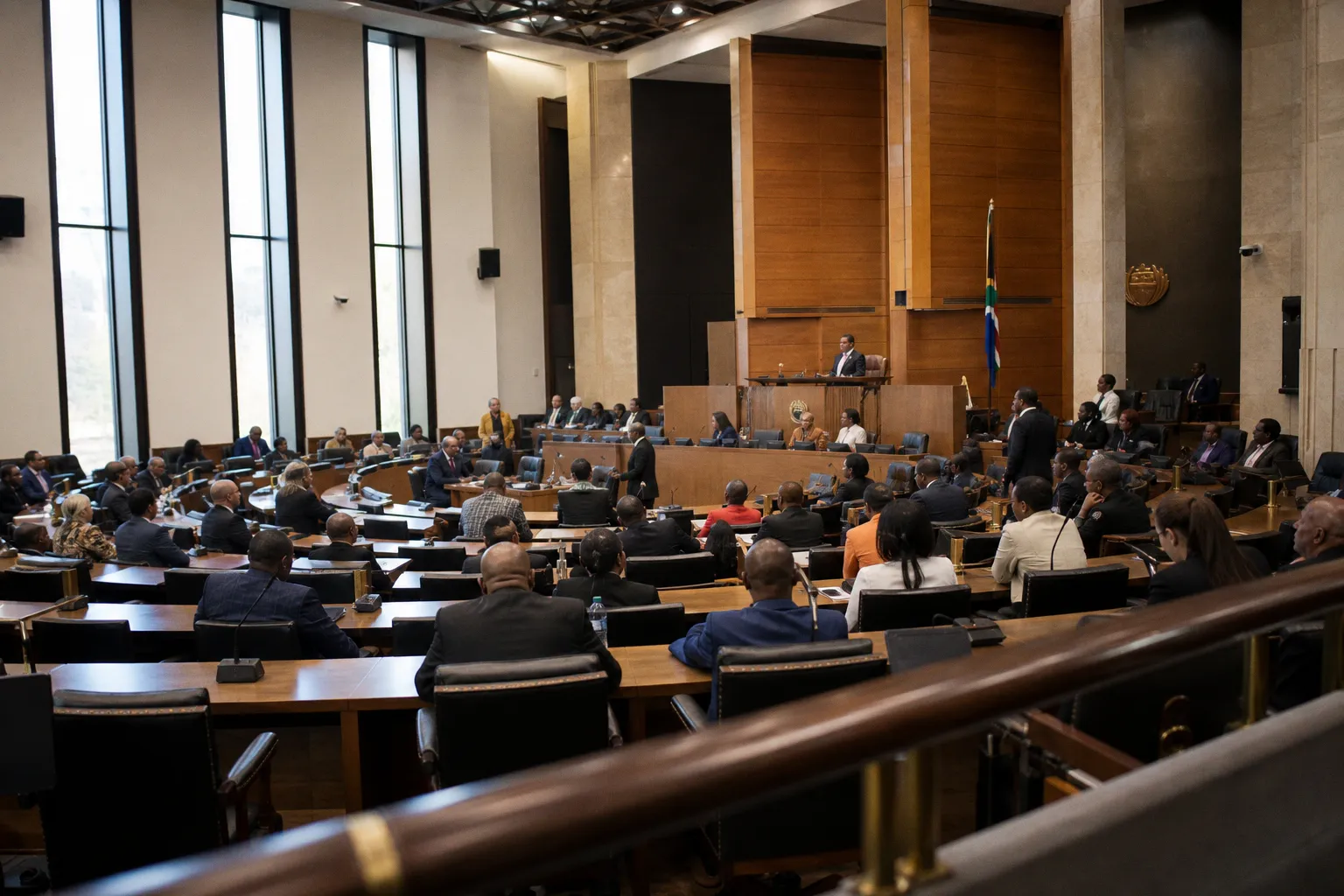
For marketplace participants, legal ownership is not a secondary question. It determines which wallet controls an NFT, which platform records a transfer, and where a dispute over custody or sale proceeds may be assessed.
Ownership claims need a verifiable record
The report’s headline indicates a possible government review of crypto-asset ownership in South Africa. It does not establish that any new regime has been adopted.
Until primary documentation appears, market participants should separate three records that are often incorrectly treated as interchangeable:
- Wallet control: possession of the private key or signing authority.
- On-chain provenance: transaction history and token movement visible on the relevant network.
- Marketplace account history: bids, listings, completed sales, and payout records held by a platform.
These records can support an ownership narrative, but they are not automatically the same thing. A marketplace account can be restricted. A wallet can be compromised. A token’s on-chain transfer can occur without a clean commercial record of the underlying transaction.
The immediate operational task is basic: retain transaction hashes, wallet addresses, listing confirmations, sale receipts, royalty records, and custody correspondence. This is not a compliance conclusion; it is an evidence-preservation measure while the legal position remains unclear.
Liquidity is exposed to classification risk
NFT liquidity depends on confidence that settlement is final and that the seller can deliver an uncontested asset. Any change to how crypto assets are defined or owned can affect platform onboarding, custody workflows, and the information requested before withdrawals or fiat conversion.
No volume, order-book depth, floor-price, or marketplace-specific impact has been confirmed in the available material. There is therefore no basis for pricing an immediate liquidity shock into South African NFT collections or local trading venues.
The relevant indicators to monitor are narrower:
- publication of legislation, consultation papers, or regulator guidance;
- explicit treatment of NFTs, wallet custody, and tokenized assets;
- changes to exchange or marketplace terms for South African users;
- withdrawal delays, new identity checks, or altered settlement procedures.
Tokenized claims also require careful distinction between the token and any underlying right. That distinction is central to the broader discussion around real-world assets in DeFi and crypto: blockchain transfer mechanics do not, by themselves, answer every ownership question attached to an asset.
Do not trade the headline
A separate report says Japan has recognized crypto as financial assets, but that development is jurisdiction-specific and does not confirm any equivalent South African measure. The comparison shows the direction of global policy attention, not a shared legal outcome.
Risk assessment: the South African headline is currently an information-risk event, not a confirmed marketplace event. Holders should improve recordkeeping and monitor primary documents. Traders should avoid assuming that a possible ownership overhaul creates either a forced-liquidity event or an investable catalyst.