NFT Market Rebound 2026: How Institutional Capital is Reshaping Digital Asset Trading
NFT trading volume reached $8.2 billion in H1 2026, a 156% recovery from the prior period, according to market data.
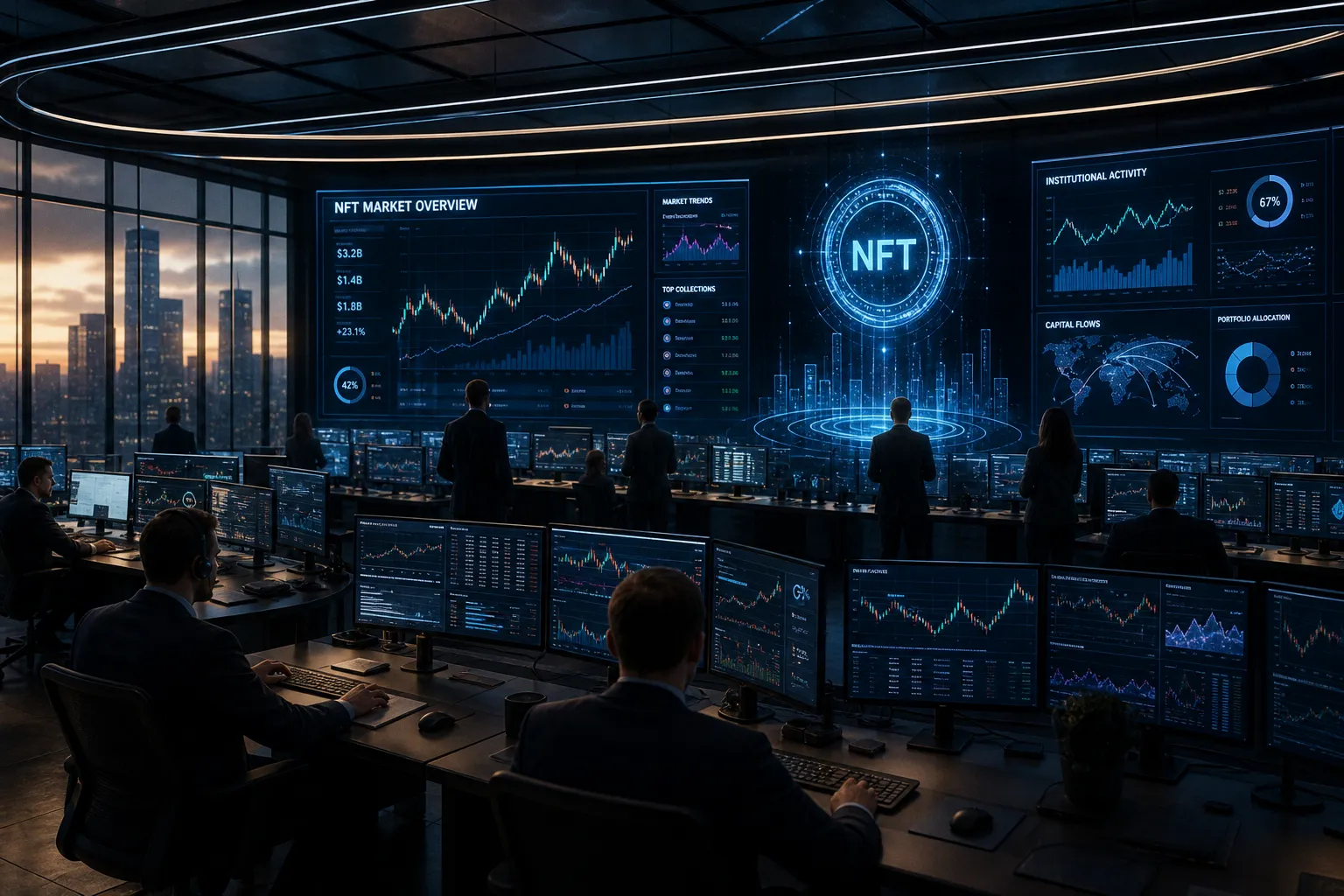
This resurgence is not uniform; it signals a fundamental capital reallocation, with institutional flows migrating away from generalist art platforms toward niche verticals.
Volume Surge Fueled by Specific Sectors
The data indicates the recovery is driven by targeted institutional capital entering two distinct asset classes: gaming-related NFTs and those linked to real-world assets (RWA). This is not a broad-based market rally but a strategic rotation into NFTs with perceived utility or tangible backing. Generalist art marketplaces, by contrast, experienced sharp volume declines, highlighting a flight from speculative, aesthetically-driven NFTs toward functional and asset-backed digital items.
External Capital and Regulatory Catalysts
This reallocation occurs within a broader context of increased crypto venture capital and shifting regulatory landscapes. Broader tech industry funding patterns, such as the massive ongoing investments in Indian infrastructure, reflect a climate where capital is actively seeking productive digital asset exposure. In parallel, developments like India's tax-driven crypto futures volume—which accounts for 80% of the nation's trading activity—demonstrate how regulatory mechanics aggressively shape where capital flows within the digital asset ecosystem, creating distinct regional arbitrage opportunities that indirectly impact global NFT liquidity pools.
Monitoring the Reallocation
The primary metric to track is the order book depth and liquidity pool concentration on platforms specializing in gaming and RWA NFTs versus those focused on digital art. A sustained increase in slippage on the latter would confirm the capital flight. For traders, the actionable takeaway is to analyze the asset backing and utility mechanisms of their holdings. The market is pricing functional value, not narrative alone; portfolio alignment should reflect this structural shift.