SEC Grants Approval-in-Principle to Seven Crypto Firms Under Regulatory Sandbox
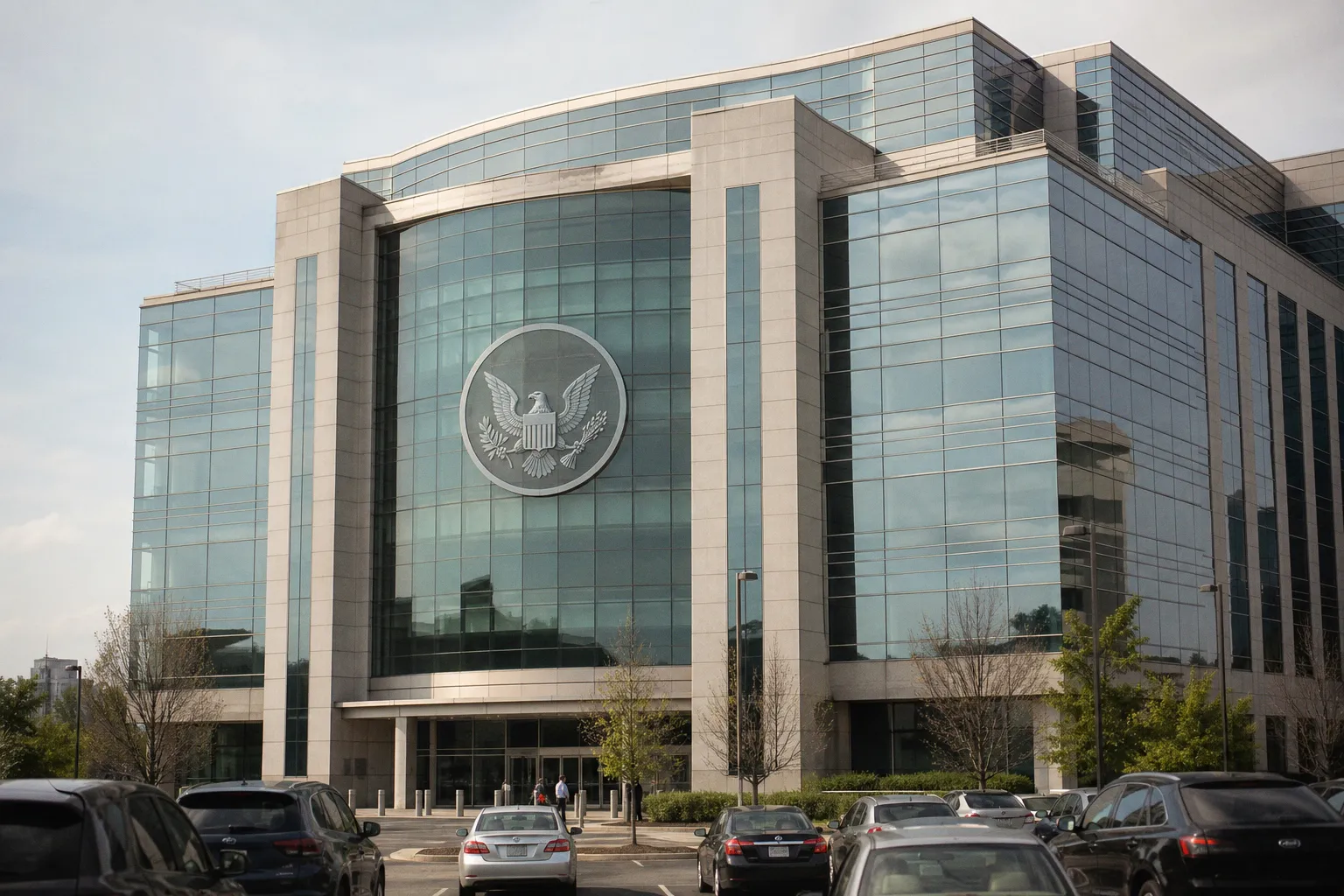
Per coverage from Arbiterz, the SEC has issued approval-in-principle to seven crypto firms under a regulatory sandbox framework.
What the Sources Actually Contain
The actionable data set is narrow. Both surfaced items appear in RSS format with no body text available.
- Primary signal: Reported SEC approval-in-principle for seven crypto firms inside a regulatory sandbox.
- Secondary signal: Binance's Philippine market entry via sandbox mechanism, per MEXC.
- Disclosure depth: Headline-only. No participant list, no asset class scope, no compliance timeline.
- Region markers: Source attribution flags US region; the Binance angle points to the Philippines operationally.
Without underlying text, identifier specifics, custody rules, and onboarding restrictions remain unverified. Any inference about NFT-native venue access within the sandbox perimeter is not supported by the available material.
For related context, see QuantRate Launches Free AI Trading Platform for Stocks, Crypto, and Forex.
Implications for NFT Market Liquidity
Regulatory sandboxes historically serve three functions: legitimizing fiat on-ramps, defining custody standards, and creating controlled ground for novel token classifications. If the SEC framework lists digital collectibles or tokenized IP inside its sandbox scope, the effect on compliant order book depth becomes a measurable variable. If it excludes them, the spillover is indirect — confined to OTC desk policy shifts and investor sentiment repricing.
The structural question is whether the seven approved firms operate NFT-native venues or simply provide wallet and settlement infrastructure for entities that do. That distinction cannot be resolved from the current evidence. Participant identity, once published, will determine whether liquidity flows redirect through new compliant rails or remain canalized in established offshore venues.
What to Monitor
- Participant disclosure: Names, parent entities, and any NFT-marketplace exposure among the seven approved firms.
- Asset scope: Whether the sandbox perimeter explicitly lists NFTs, tokenized IP, or only fungible tokens.
- Settlement markers: Bank partnership announcements tied to approved entities — these precede volume shifts by weeks.
- Cross-jurisdictional alignment: The parallel Philippine sandbox entry suggests multi-regulator coordination. Watch for matching designs from MAS, FCA, or ESMA.
- Revocation risk: Sandbox approval is provisional. Compliance failures inside the testing window can void status — a downside that compresses liquidity windows for affected platforms.
The data, as published, supports one conclusion: regulatory posture is rotating from enforcement-first to structured engagement. Position sizing should price that transition without extrapolating past disclosed parameters.